Ligno Refinery

NEXT-GENERATION BIOREFINERY

Unraveling
wood.

Using light and a catalyst, we remove only the lignin.
We extract cellulose without damaging its fibers
and turn the whole tree into valuable materials.
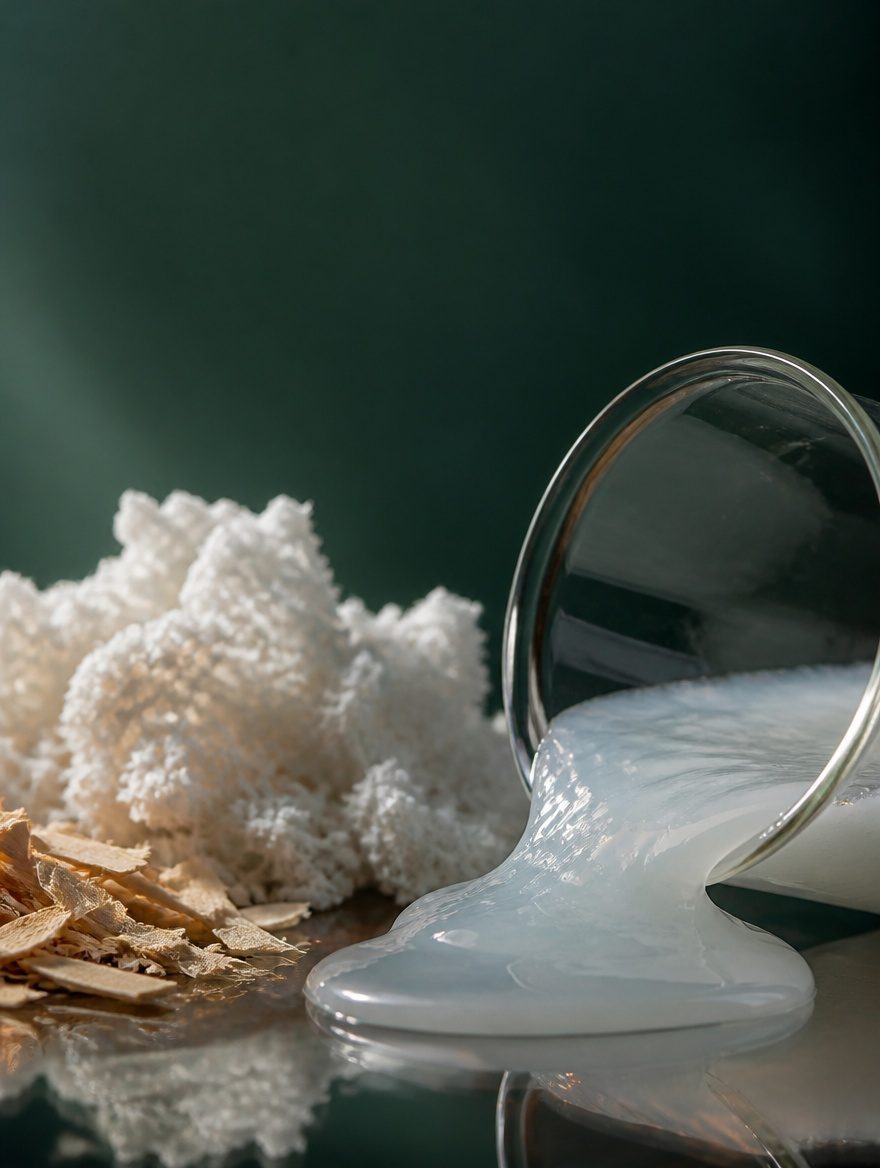
White cellulose fibers and CNF gel overflowing a beaker

Cellulose nanofiber — fibers unraveled from wood

WHY IT MATTERS

Rewriting a century of pulping
with light.

The way cellulose is extracted from wood has barely changed in over 100 years: cook it with heat and harsh chemicals, damage the fibers, burn the lignin. We overturn that premise with light and a catalyst, and address three challenges at once: growing markets, decarbonization and regional resources.

Market | CNF growth

~20%

The global nanocellulose market is forecast to grow at roughly 18–22% a year through 2033.

Source: forecasts by multiple research firms (2025)

Decarbonization | SAF shortfall

0.6%

Share of sustainable aviation fuel (SAF) in total jet fuel in 2025. Supply remains tiny.

Source: IATA (December 2025)

Energy | A vast existing market

120bn L

Annual global fuel ethanol production — most of it made from food crops such as corn.

Source: calculated from RFA data (2025)

How we differ from conventional methods

ItemConventional (e.g. kraft process)Ligno Refinery technology
Reaction conditions Cooking at high temperature in strong alkali Light, oxygen from the air and a metal-free catalyst
Cellulose fibers Fibers are damaged and their degree of polymerization drops Extracted with shape and degree of polymerization intact
Lignin Mostly burned as fuel in black liquor Sold as a chemical feedstock
Equipment Requires large digesters and chemical recovery plants Reaction modules added side by side as demand grows
Location Concentrated in large mills Small units can sit close to the feedstock

* Items for our technology include targets to be validated in our proof of concept (PoC).

01 / VISION

Instead of burning plants,
we separate their components and give each its own value.
One tree, many markets.

CELLULOSE

Cellulose

A long chain of glucose units. Feedstock for CNF, specialty cellulose and films.

HEMICELLULOSE

Hemicellulose

A component made of several sugars. Saccharified and fermented into fuels and chemicals.

LIGNIN

Lignin

The aromatic component that binds the fibers. This hard-to-remove component is where we start.

02 / TECHNOLOGY

A light-activated catalyst
cuts only the lignin bonds.

Conventional pulping dissolves lignin with heat and strong alkali, damaging the fibers too. We use a metal-free porphyrin catalyst, light and oxygen from the air to break down lignin selectively.

KEY FEATURES

  • Fiber-friendly Lignin is targeted selectively, aiming to extract cellulose with its chain length (degree of polymerization) preserved.
  • Metal-free catalyst The catalyst is a porphyrin with no central metal, which may simplify metal costs and residue control.
  • Driven by light and air The reaction runs on light and oxygen from the air — a fundamentally different approach from heat- and chemical-intensive methods.
  • Separate, then use everything Cellulose becomes materials; lignin becomes chemicals. One feedstock, multiple products.
  1. STEP 01 — LIGHT Light activates the catalyst The ring-shaped porphyrin molecule absorbs light of a specific wavelength and enters an excited state.
  2. STEP 02 — OXYGEN Oxygen does the work The excited catalyst transfers energy to oxygen in the air, creating the power to oxidize lignin.
  3. STEP 03 — UNRAVEL Bonds break, fibers loosen Only the lignin bonds break, loosening what held the fibers together. The fibers keep their shape on the way to CNF.
BeforeLignin (brown) binds the fibers
AfterFibers keep their shape; only the binding loosens
CNFFibers unraveled to the nanoscale

MODULAR PLANT

Light equipment, low cost and high qualityInternally illuminated photoreactors are standardized as modules. Add more as feedstock volume grows, and tune conditions for each feedstock.

Microbes grow the catalystThe catalyst can be produced biologically rather than by complex chemical synthesis, leaving room for scale-up and lower cost.

03 / WHAT WE EXTRACT

What can we
extract from wood?

Separating wood's three components lets us extract different substances from each.

ComponentProductsMain uses
CELLULOSECellulose
High-purity celluloseCellulose nanofiber (CNF)

Resin reinforcement and composites, films, paper and textiles. Gentle extraction targets quality well suited to CNF.

HEMICELLULOSEHemicellulose
Fermentable sugars

Fermented into bioethanol — a feedstock for SAF (sustainable aviation fuel) and chemicals.

LIGNINLignin
MethanolOrganic acids such as formic acidAromatic compounds

Feedstock for commodity chemicals and advanced materials — turning a component that was mostly burned as fuel into chemicals.

RESIDUEResidue
BiocharCarbon materials

Used as adsorbents or energy, so nothing in the tree goes to waste.

04 / APPLICATIONS

Where does it
make a difference?

The materials and chemicals we extract from wood flow into large, growing markets — from semiconductors and data centers to cars, packaging, fuels and chemicals. One tree connects to many growth markets.


Close-up of a semiconductor chip
SEMICONDUCTORS Semiconductors & electronics
$73.2bn Global semiconductor materials market (2025, a record, +6.8% YoY) Source: SEMI (May 2026)
Transparent, insulating, heat-resistant and smooth. CNF films are being researched as a material for next-generation electronic devices.
  • Substrates and interlayer films for flexible electronics
  • Protective coatings that prevent short circuits from moisture
  • Low-dielectric substrates for Beyond 5G communications
  • Research into CNF as a semiconductor material itself
Data center aisle lined with server racks
DATA CENTERS Data centers
2.3× Global data center electricity use: 415 TWh in 2024 → 945 TWh in 2030 (forecast) Source: IEA, Energy and AI
AI is driving a surge in data centers. We address their biggest challenges — heat and power — with light, strong plant-based materials.
  • Thermal insulation for buildings and equipment
  • Reinforced resins for server enclosures and parts
  • Filters for HVAC and cooling systems
  • Radiative cooling materials that shed heat without power
Body of a white electric car charging
AUTOMOTIVE & EV Automotive & EVs
$105bn Global automotive lightweight materials market (2030 forecast); polymers and composites over 50% Source: Mordor Intelligence
14.7% CAGR Growth of the Li-ion battery separator market ($6.8B in 2024 → $15.7B in 2030) Source: TechSci Research
CNF is a fraction of the weight of steel yet very strong; blended into resins it makes parts lighter and stronger, supporting EV range and battery performance from the material up.
  • Reinforcing and lightening resin parts such as door trims and bumpers
  • Battery binders and separator reinforcement
  • Plant-based interior and exterior materials
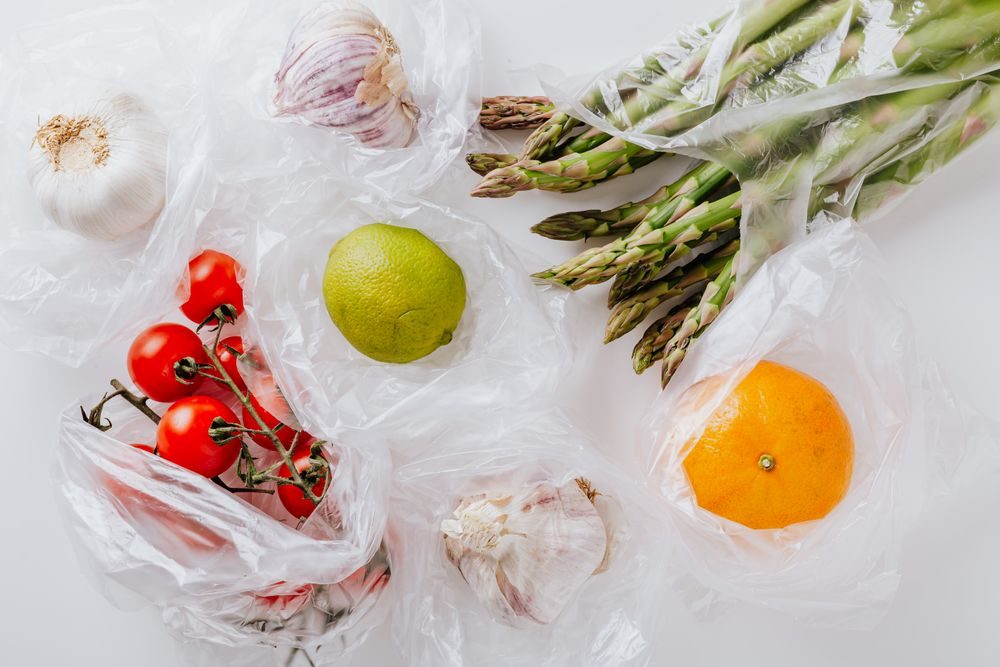
Vegetables and fruit in clear bags
PACKAGING Packaging & films
$43.2bn Global high-barrier packaging film market (2030 forecast; $31.9B in 2024) Source: Global Industry Analysts
CNF films are transparent and block oxygen, enabling food packaging that keeps products fresh to shift from petroleum plastics to plant-based materials.
  • Gas-barrier packaging for food and pharmaceuticals
  • Transparent coatings and films
  • Stronger paper containers with better barrier properties
Airliner in a blue sky
FUEL & SAF Fuels & SAF
0.6% SAF share of total jet fuel (2025). Output: 1.9 Mt → 2.4 Mt (2026) Source: IATA (December 2025)
Sugars from hemicellulose and cellulose are fermented into domestic bioethanol that does not compete with food — helping fill the severe shortage of SAF feedstock.
  • Second-generation bioethanol
  • Feedstock for SAF (alcohol-to-jet)
  • Ethanol as a chemical feedstock
Laboratory glass flasks
CHEMICALS Chemical feedstocks
114Mt Global methanol demand (2026 estimate), reaching 126.7 Mt by 2030 Source: Energy Aspects
Lignin, long burned as fuel, becomes chemicals through light and catalysis. We supply basic chemicals such as methanol and organic acids — traditionally made from oil or coal — from wood.
  • Basic chemicals such as methanol and formic acid
  • Organic acids such as acetic and succinic acid
  • Aromatic chemicals and advanced materials in future

The more advanced the use,
the more gentle matters.

For CNF in electronic materials, fiber length and freedom from defects determine performance. Conventional chemical treatments tend to cut cellulose molecules short. Our fiber-friendly extraction delivers the most value in advanced applications that demand high quality.

And everyday industries too
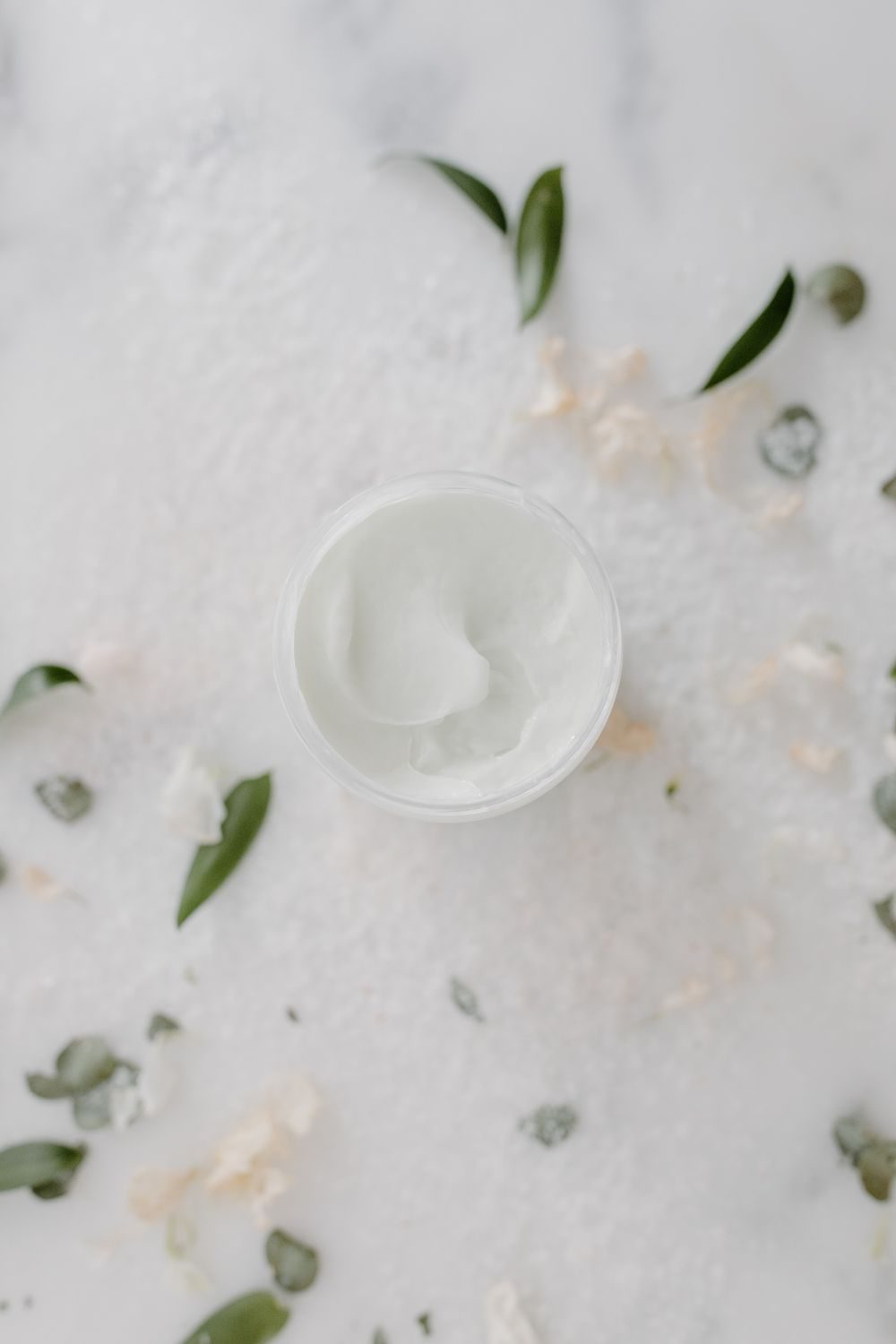
White cream surrounded by leaves
Cosmetics & coatings Plant-based functional ingredients for thickening, dispersion and moisturizing.
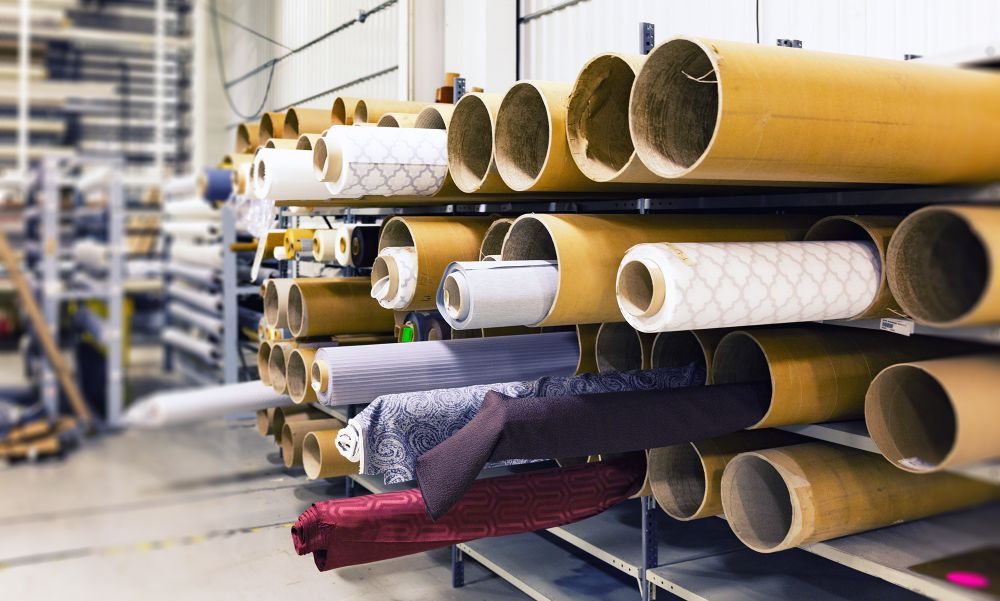
Rolls of fabric in a factory
Paper & textiles Stronger paper and materials for functional fibers.
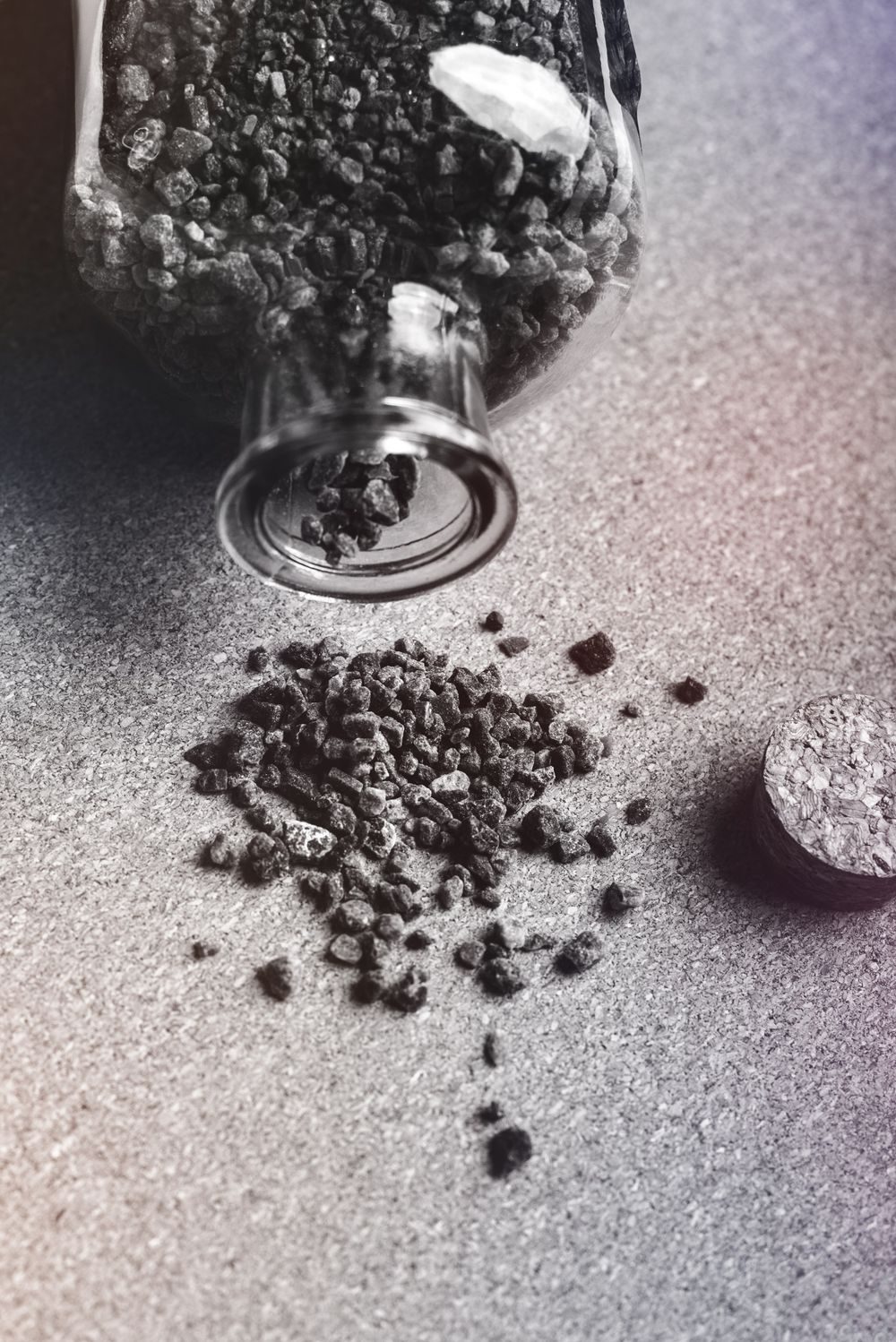
Activated carbon spilling from a glass jar
Environment & carbon Biochar and adsorbents for cleaner water and air.
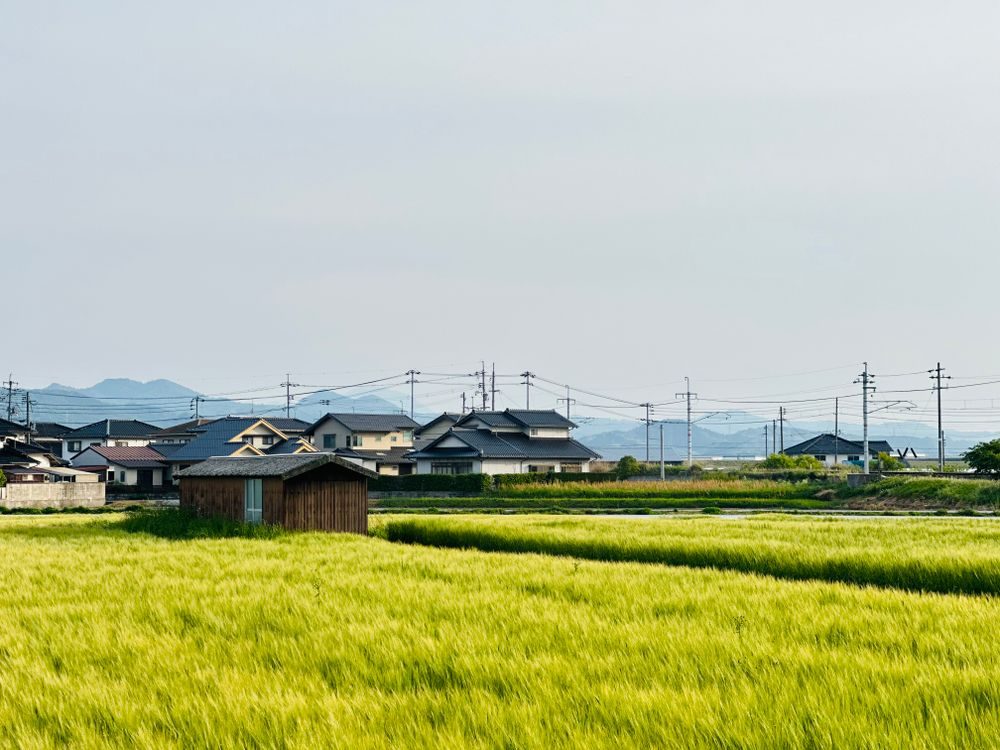
Japanese countryside and houses
Forestry & agriculture New outlets for regional resources such as fast-growing paulownia, rice husks and bamboo.

* Market sizes are estimates and forecasts by research firms and do not represent our sales. Applications include general uses of CNF and other substances as well as our commercialization plans. Photos are for illustration (Pexels).

FOREST & CARBON

Using wood
protects forests.

Japan's forests are moving from an era of growing to an era of using. Trees planted after the war are aging unused, and the forests' capacity to absorb CO₂ is weakening. Protecting forests does not mean not cutting trees — it means using them well and replanting. By creating new uses for wood, we set that cycle in motion.
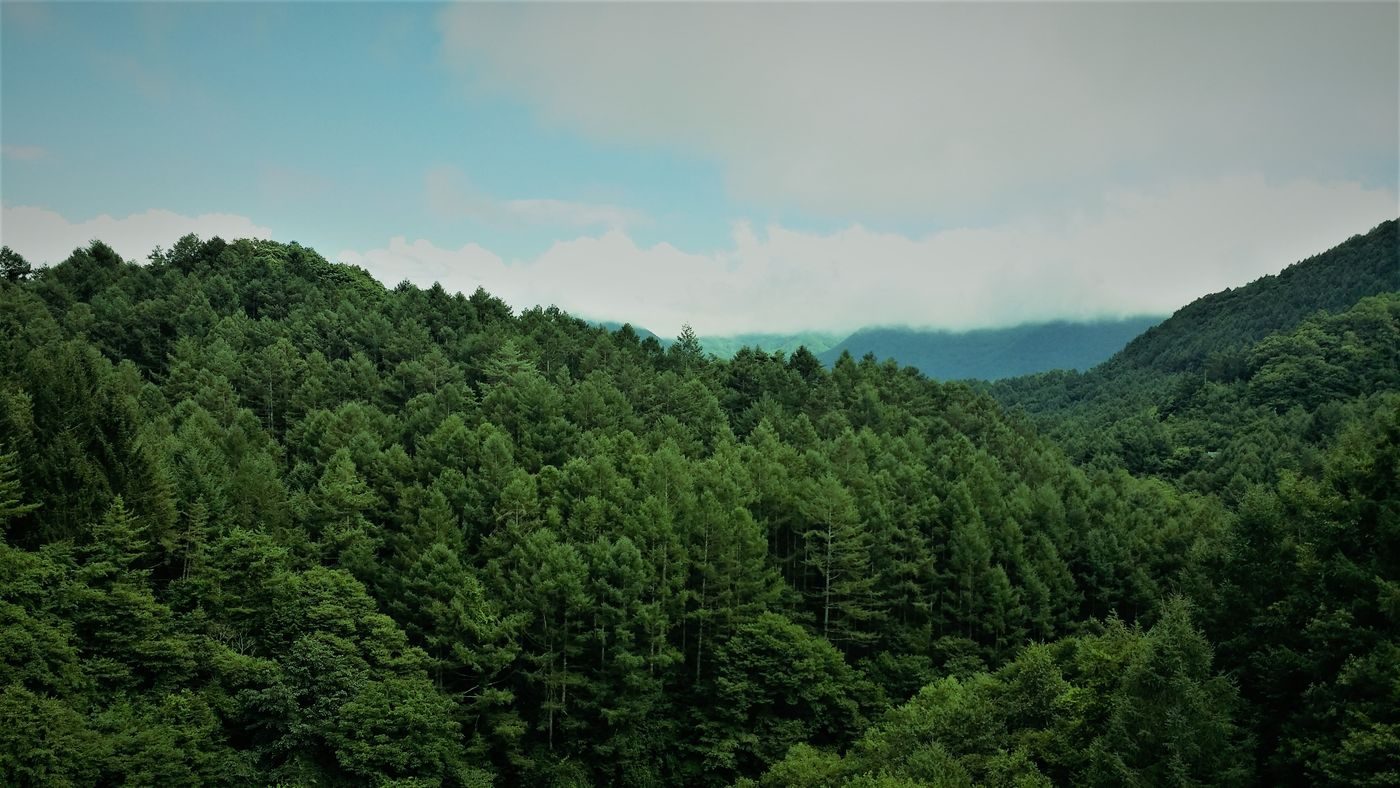
Japanese conifer plantation covering a mountainside

Of Japan's land is forest

2/3

About two-thirds of Japan — some 25 million ha — is forest, making it one of the world's most forested countries.

Plantations ready for harvest

60%

About 60% of post-war plantation forests are over 50 years old and ready for use.

Wood self-sufficiency (2024)

42.5%

Japan still imports more than half of the wood it uses.

We drive the cycle of harvest, use and replant
from the use stage.

  1. Harvest Harvest mature trees in a planned way
  2. Use This is what we change.Turn wood into high-value materials and chemicals, returning revenue to the forest
  3. Replant Use the revenue to replant after harvest
  4. Grow Young, vigorous forests absorb more CO₂

Answering forest challenges with new outlets for wood.

Aging forests Unused plantations Cedar and other plantations are ready for harvest. Replacing them with young, vigorous forests requires uses and revenue for the harvested wood. We use softwoods as feedstock too.
Abandoned bamboo Spreading bamboo groves Neglected bamboo spreads into surrounding forests and farmland, reducing biodiversity and raising landslide risk. Turning bamboo into feedstock creates an economic reason to manage it.
People & funding Too little money to replant Timber sales alone often cannot cover the cost of replanting. By raising wood's value to that of materials and chemicals, we create a cycle that reinvests in forests.
Paulownia A short cycle with fast-growing trees Fast-growing paulownia (Japaronia) can be harvested about five years after planting, keeping forests young with a short plant–grow–use cycle.

DECARBONIZATION

Six ways we contribute to decarbonization.

01 Locking carbon into materials Carbon absorbed by trees stays stored while the products are in use. CNF and composites keep carbon in society for the long term.
02 Replacing fossil feedstocks Resin reinforcements, films, methanol and organic acids — materials and chemicals once made from oil, now supplied from renewable wood.
03 Use it all, burn nothing Lignin becomes chemicals instead of fuel. Residue returns to the soil as biochar, fixing carbon for the long term.
04 Restoring forest uptake As forests age, their CO₂ uptake declines. Harvesting, using and replanting increases young forests with high absorption.
05 Fuel that doesn't compete with food We make second-generation bioethanol and SAF feedstock from inedible biomass such as wood, bamboo and rice husks.
06 Small-scale processing near the source Reaction modules can sit near where feedstock is grown, reducing the need to haul bulky biomass long distances.

Sources: Forestry Agency of Japan, Current State and Issues of Forests, Forestry and the Wood Industry (2026); Forestry Agency, Annual Report on Forest and Forestry; Ministry of the Environment, On Forest Carbon Sinks (October 2026)

FEEDSTOCK & ADVANTAGE

A tree that grows for CNF,
and the technology to unravel it gently.

CNF quality and cost depend on both feedstock and process. We process cellulose-rich, low-lignin paulownia with a fiber-friendly photocatalyst. Leading on both feedstock and process is the source of our competitive edge.

01 High cellulose 47.4% Plenty of CNF raw material Paulownia contains 47.4% alpha-cellulose — rich in the high-molecular cellulose CNF is made from.
02 Low lignin ~17% Less to remove About 17%, versus 25–35% in softwoods such as cedar. The less to remove, the lighter the processing and the less damage to fibers.
03 Easy to break down G+S Hardwood-type lignin Softwood lignin has many bonds that resist breakdown. Paulownia's hardwood-type lignin is well suited to photocatalytic decomposition.
04 Low impurities 0.5–1.0% Easy to refine Low ash (mineral) content makes it easy to refine into high-purity cellulose. Rice husks, by contrast, contain 10–25% ash.
05 Fast, uniform growth ~5 years Stable supply Cedar takes 50+ years to mature. Paulownia is harvestable in about five years, giving a planned supply of uniform feedstock with known cultivation history.
06 Gentle unraveling DP retained The step that decides CNF quality Fibers move to defibrillation wet, with their length (degree of polymerization) intact — aiming for higher quality and lower defibrillation energy at once.

Composition by feedstock

Compared using published analyses and literature values. The lower the lignin and the higher the cellulose, the better suited to CNF.

Paulownia (Japaronia)Hardwood · our initial feedstock
Cellulose47.4% (alpha-cellulose)
Hemicellulose~16%
Lignin~17%
Ash0.5–1.0%
Third-party analysis (2025)
Paulownia (overseas cultivars)Hardwood
Cellulose44–53%
Hemicellulose—
Lignin~25–28%
Ash~0.4–0.9%
Published studies (cultivated paulownia in Spain, Iran, etc.)
Japanese cedar & cypressSoftwood · ~70% of Japan's plantations
Cellulose40–50%
Hemicellulose20–25%
Lignin25–35%
Ash—
Forestry Agency / NARO (typical values for softwoods incl. cedar)
Bamboo (moso etc.)Abandoned groves spreading
Cellulose35–50%
Hemicellulose15–30%
Lignin20–30%
Ash—
Literature range (our research)
Rice husksBy-product of rice farming
Cellulose25–40%
Hemicellulose15–25%
Lignin15–25%
Ash10–25%
Literature range (our research)

* Methods and definitions (alpha-cellulose, cellulose, holocellulose, etc.) differ between sources; a strict comparison requires reanalysis under the same conditions. Bars show the midpoint of each range as a guide.

MARKET POTENTIAL

Proven on paulownia,
then scaled to Japan's untapped biomass.

After establishing our technology and products on paulownia, we will extend them to cedar, cypress, bamboo and rice husks. Modular equipment with feedstock-specific conditions lets us adapt to each region's resources.

Cedar plantations 4.41M ha 44% of Japan's plantations — mature and in need of new uses.
Cypress plantations 2.57M ha 25% of Japan's plantations; with cedar, about 70% of the total.
Bamboo groves 175K ha Unmanaged, spreading bamboo is a major regional problem.
Rice husks ~2Mt/yr Generated by rice farming every year; much of it goes underused.
Unused & waste wood ~24Mt/yr Annual volume of construction wood waste, logging residues and unused trees.
  1. STEP 1 Prove on paulownia
  2. STEP 2 Cedar & cypress
  3. STEP 3 Bamboo & rice husks
  4. STEP 4 Overseas biomass

Sources: Forestry Agency, State of Forest Resources (as of March 31, 2022); Forestry Agency, Annual Report on Forest and Forestry, reference tables; Ministry of the Environment (woody biomass volumes); rice husk volume based on published figures

05 / BUSINESS

From feedstock to product,
all in-house.

From securing feedstock to breakdown and separation, CNF and chemical production, and sales — we handle every step ourselves and take full responsibility for quality and cost.

01 Securing feedstock We secure feedstock of known composition, centered on paulownia, so quality is consistent from the start.
02 Production in our own plants Our own plants, equipped with photoreaction modules, produce high-purity cellulose, CNF and chemicals end to end.
03 Supply & application development We supply products in the grade and form each use requires, and develop new applications together with customers.

06 / COMPANY

Company

Company name
Ligno Refinery Inc.
Representative Director
Toru Kosugi
Established
July 2021
Capital
JPY 10 million
Address
Win Aoyama Bldg., 2-2-15 Minami-Aoyama, Minato-ku, Tokyo 107-0062, Japan
Business
R&D of component-separation technology for plant biomass; manufacture and sale of high-purity cellulose, CNF and chemicals